The Impact of Immigration on BC's Housing Market
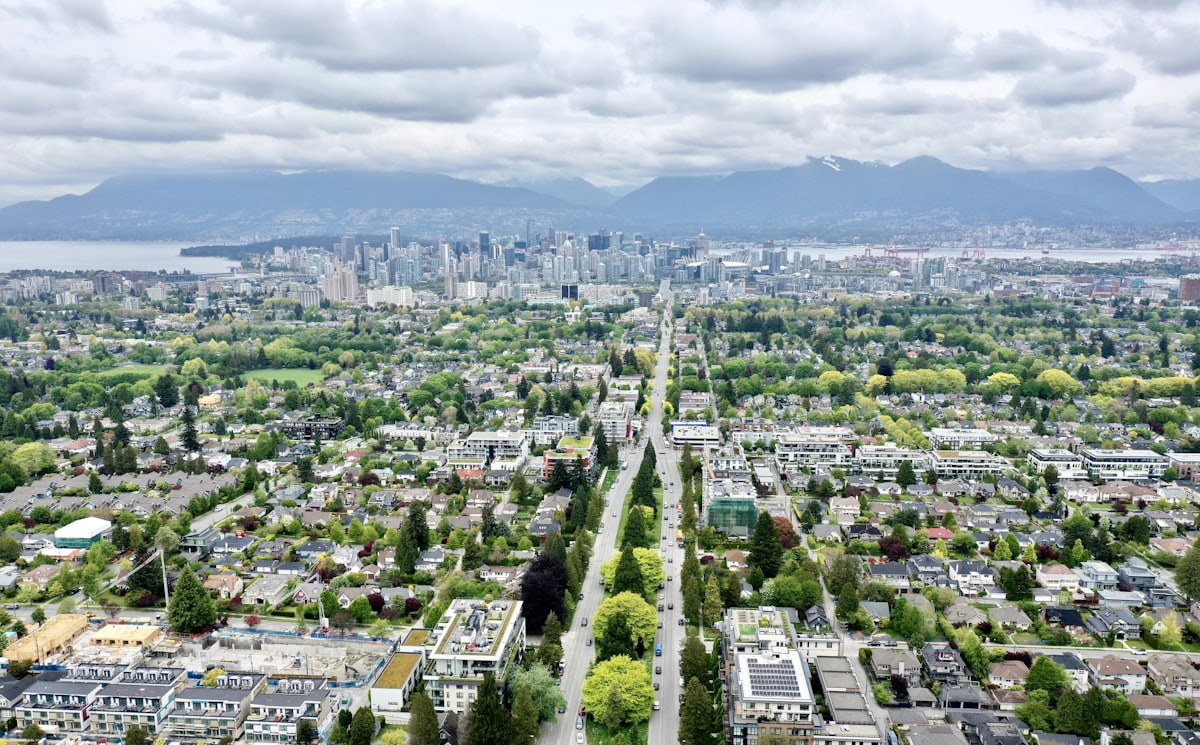
British Columbia's housing market is undergoing a fundamental transformation driven by changing immigration patterns. For over a decade, international immigration accounted for approximately 80 percent of Vancouver's population gains, fueling sustained demand for housing across the region. However, 2026 marks a significant turning point as federal immigration policy shifts are creating new market dynamics that differ sharply from the rapid growth cycles of recent years. Understanding these changes is essential for buyers, sellers, and investors navigating BC's real estate landscape. The combination of reduced immigration flows, softening rental demand, and developer repositioning is reshaping everything from condo markets in Vancouver to affordability patterns across Metro Vancouver and the Fraser Valley.
Vancouver's Historic Population Shift and Its Housing Implications
Vancouver is experiencing its first population decline since at least 1986, according to forecasts tied to new federal immigration policies. This represents a watershed moment for a city that has relied on international immigration to offset domestic emigration driven by high housing costs. The city remains among the world's least affordable, with housing costs creating a significant drag on the economy by reducing discretionary incomes and making it harder to attract talent. As immigration slows, the traditional demand engine that supported price growth has weakened considerably. In the Greater Vancouver Area, sales declined approximately 4 percent while average prices fell 10 percent, with benchmark detached home prices down 2 percent and condo prices declining 3 percent amid elevated resale inventories. This adjustment reflects a market no longer supported by the immigration-driven household formation that characterized the 2010s and early 2020s. The shift is particularly acute in the condominium sector, where investor interest has slowed alongside reduced rental demand from international students and temporary workers.
The Condo Market Reset and Changing Developer Strategy
British Columbia's condominium market, particularly in Vancouver and the Lower Mainland, felt the immigration slowdown first. Urban condo markets experienced softened rental demand as lower numbers of international students and temporary workers reduced the traditional buyer base for these properties. Developers are responding by fundamentally rethinking their approach to housing delivery. Ontario and BC's housing markets are undergoing a reset of expectations, with developers pivoting from the high-rise condo model to more mid-rise and ground-oriented projects that align with current demand and financing realities. This painful adjustment will likely continue through 2026, but by year-end, both provinces are expected to see signs of renewed life in housing starts and buyer interest. The shift reflects realistic recognition that the pre-2024 condo-development model no longer matches market fundamentals. Investors who relied on strong rental yields from immigration-driven tenant demand are reassessing their portfolios, reducing competition in some segments and potentially creating opportunities for owner-occupants seeking entry-level properties.
Rental Market Softening and Affordability Shifts Across Metro Vancouver
Immigration changes have directly impacted rental demand across BC's major urban centres. Newcomers typically rent for two to five years before purchasing homes, making them a critical demographic for rental market strength. With immigration flows moderating, rental demand has softened, particularly in Vancouver and Toronto's condo-heavy markets. The CMHC forecasts that the pace of new rental construction will moderate as rental markets become more balanced and immigration-driven demand slows. However, this softening creates a more balanced rental environment that may benefit long-term renters seeking more stable pricing. While some sources projected higher rent prices driven by immigration in earlier forecasts, the actual 2026 reality shows moderation as demand pressures ease. This shift is particularly relevant for the Fraser Valley, which has increasingly attracted newcomers and domestic migrants seeking more affordable alternatives to Metro Vancouver. Communities in the Fraser Valley may experience slower rental growth than previously anticipated, though affordability remains superior to Vancouver proper. The reduction in investor cash-flow from rental properties could also dampen investor demand, creating a more balanced market favoring primary residence buyers.
Market Recovery Prospects and Regional Opportunities in 2026
Despite current softness, Canada's housing market is expected to show gradual recovery in 2026 supported by pent-up demand. National home sales are projected to pick up temporarily, led by Ontario and British Columbia, as these provinces rebound from some of their weakest sales in decades. However, this recovery is modest rather than robust. Nationally, home prices are expected to grow modestly, with an average increase of about one percent by the final quarter of 2026. The RBC forecast indicates that slower immigration will moderate demand, hitting Southern Ontario and BC's Lower Mainland hardest, but this moderation may ease competition for first-time buyers in some segments. Within BC, regional variations are significant. While Vancouver faces population decline and continued adjustment, more affordable communities in the Fraser Valley and Interior regions may attract migration from the Lower Mainland as residents seek better value. The weak job market, with unemployment expected to peak at 7.1 percent in late 2025 before easing in 2026, adds caution to the recovery outlook. However, employment conditions have remained stronger than many expected, and household income levels remain steady, supporting gradual market stabilization.
Key Takeaways
- Vancouver is experiencing its first population decline since 1986 due to federal immigration policy shifts, fundamentally altering the demand dynamics that previously supported sustained price growth.
- BC's condominium market is undergoing a developer reset, shifting from high-rise condos to mid-rise and ground-oriented projects as immigration-driven rental demand moderates.
- Greater Vancouver Area prices declined 10 percent overall, with condo prices down 3 percent amid elevated inventories, reflecting reduced investor interest and softened rental demand.
- Rental market softening from reduced immigration flows may create more balanced conditions for renters, particularly in Metro Vancouver and the Fraser Valley.
- National home price growth is expected to remain modest at approximately one percent by Q4 2026, with recovery driven by pent-up demand rather than sustained immigration-fueled growth.
Free Tools for Your Home Search

Have Questions About This Topic?
Get personalized advice from Rose Marie about your real estate goals.
Book a Free Consultation