Pre Construction vs Resale: Which Is Better in Today's Market
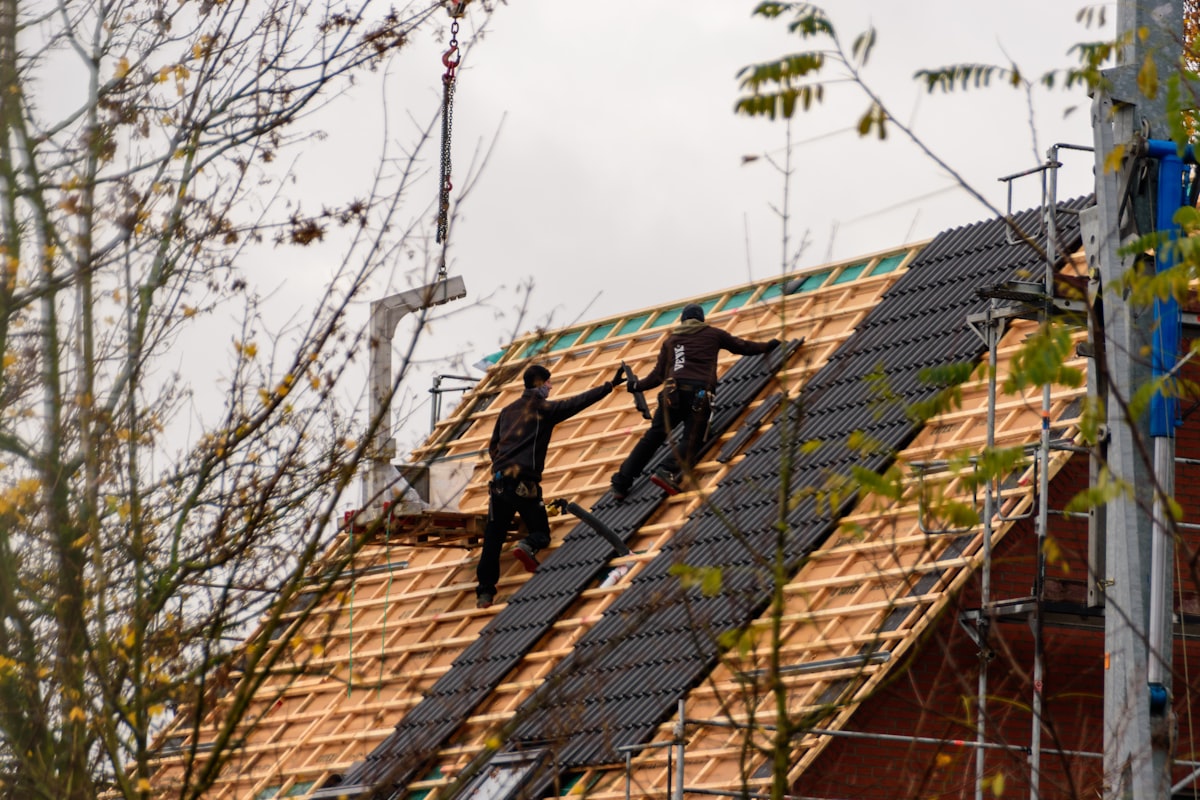
Photo by Sergej Karpow on Unsplash
The British Columbia real estate market in 2026 presents a unique crossroads for buyers deciding between pre-construction and resale properties. After years of rapid growth and recent market cooling, both segments are now stabilizing, but they offer distinctly different advantages and challenges. Understanding the current dynamics of each sector is essential for making an informed decision that aligns with your financial goals and timeline. This guide examines the real market conditions facing both pre-construction and resale buyers in Metro Vancouver and surrounding regions, providing the data you need to choose the right path forward.
The Current State of Pre-Construction in BC
The pre-construction market in British Columbia has undergone significant changes during 2024-2025, moving away from the frenzied conditions of previous years. Sales have slowed considerably, with several Vancouver pre-sale projects seeing reduced absorption or delayed launches. Developers are approaching 2026 with caution, resulting in fewer new project releases anticipated for 2025-2026, which could support pricing stability in existing projects. This shift represents a fundamental change in market dynamics, where buyer confidence has become more selective and developers have become more conservative.
The pre-construction segment remains a critical component of BC's housing ecosystem, as it drives future supply and signals developer confidence. However, the current environment presents challenges for developers dependent on investor sales. Pre-construction units have become increasingly difficult to sell, with developers facing the reality that buyers must wait five to six years to receive keys while absorbing significant risk through construction timelines and cost uncertainties. For buyers considering pre-construction, incentives such as deposits, pricing concessions, and upgrade allowances are likely to continue into early 2026, offering potential negotiating leverage.
Why Resale Homes Are Gaining Traction
Resale markets across Canada have proven remarkably resilient, with approximately 500,000 transactions expected nationally in 2025, comparable to pre-pandemic norms. In British Columbia specifically, resale conditions are becoming more balanced after years of supply constraints. Buyers will see more options this spring as new listings join unsold inventory from 2025, creating a more balanced buyer-seller dynamic. Unlike pre-construction properties, resale homes offer immediate occupancy, transparent condition assessments, and the ability to negotiate based on actual market conditions rather than future projections.
The resale market presents particular advantages for first-time buyers in 2026. While detached home prices remain elevated, condos and townhomes are comparatively more affordable and easier to find. In markets like Richmond, buyers can purchase good quality older woodframe condos near SkyTrain stations for approximately $370,000, where mortgage payments would be comparable to rental costs. This pricing accessibility has shifted buyer behavior, as first-time purchasers are increasingly competing with investors, but their focus on monthly carrying costs rather than speculative returns is reshaping market dynamics.
Pricing Dynamics and Market Outlook for 2026
The pricing environment differs significantly between pre-construction and resale segments in 2026. Residential real estate prices in Metro Vancouver are expected to decline over the next year, but this decline is not uniform across property types. The resale market is experiencing what analysts describe as a "slow grind" rather than a free-fall, as buyers focus on monthly carrying costs while sellers cling to peak-pandemic pricing. This creates opportunities for informed buyers who can negotiate effectively, particularly in the condo and townhome segments where supply has improved.
Pre-construction pricing, meanwhile, benefits from cautious developer sentiment that is expected to support pricing stability in existing projects. If interest rates stabilize, confidence in pre-sales should gradually return, though rapid price acceleration is unlikely. Transit-oriented markets remain strongest for both segments, with communities near SkyTrain stations, major job centres, and growing urban villages expected to outperform the broader market. This geographic preference creates a clear advantage for buyers targeting well-positioned neighborhoods, whether in resale or pre-construction.
Making Your Decision: Pre-Construction vs Resale in 2026
Choosing between pre-construction and resale depends on your specific circumstances, timeline, and risk tolerance. Pre-construction offers potential advantages if you have a long-term investment horizon, can negotiate favorable pricing in the current cautious market, and are willing to accept construction timelines and delivery uncertainties. The current buyer's market for pre-sales means developers are more flexible with pricing concessions and incentives, making this an opportune time to negotiate if you're committed to waiting for delivery. However, pre-construction carries significant risk, including extended timelines, potential cost increases, and market uncertainty over five to six year periods.
Resale homes offer immediate occupancy, transparent pricing based on comparable sales, and the ability to inspect properties before purchase. For first-time buyers and those seeking shorter timelines, resale remains the more practical option in 2026. The improving supply of resale inventory, combined with more balanced market conditions, provides greater flexibility in finding the right property at the right price. As one market analyst noted, if you have a long-term horizon, can hold the property, find the right property, and can negotiate a good price, this is not a bad time to buy in the resale market. Consider your employment stability, planned tenure in the home, and comfort with construction risk when making your final decision.
Key Takeaways
- Pre-construction sales have slowed considerably with fewer new launches expected in 2025-2026, but pricing is expected to stabilize and incentives remain available for buyers willing to negotiate.
- Resale markets are proving resilient with improving inventory, balanced conditions, and immediate occupancy advantages, particularly in the condo and townhome segments where prices are more accessible.
- Transit-oriented communities near SkyTrain stations outperform broader markets in both segments, offering the strongest opportunities for long-term appreciation.
- Metro Vancouver resale prices are expected to decline modestly in 2026, but this creates negotiating opportunities for informed buyers focused on monthly carrying costs rather than speculation.
- First-time buyers should prioritize resale homes for immediate occupancy and transparent pricing, while investors with longer timelines may find pre-construction opportunities in the current cautious market environment.
Free Tools for Your Home Search

Have Questions About This Topic?
Get personalized advice from Rose Marie about your real estate goals.
Book a Free Consultation