Multigenerational Homes in BC: A Growing Trend

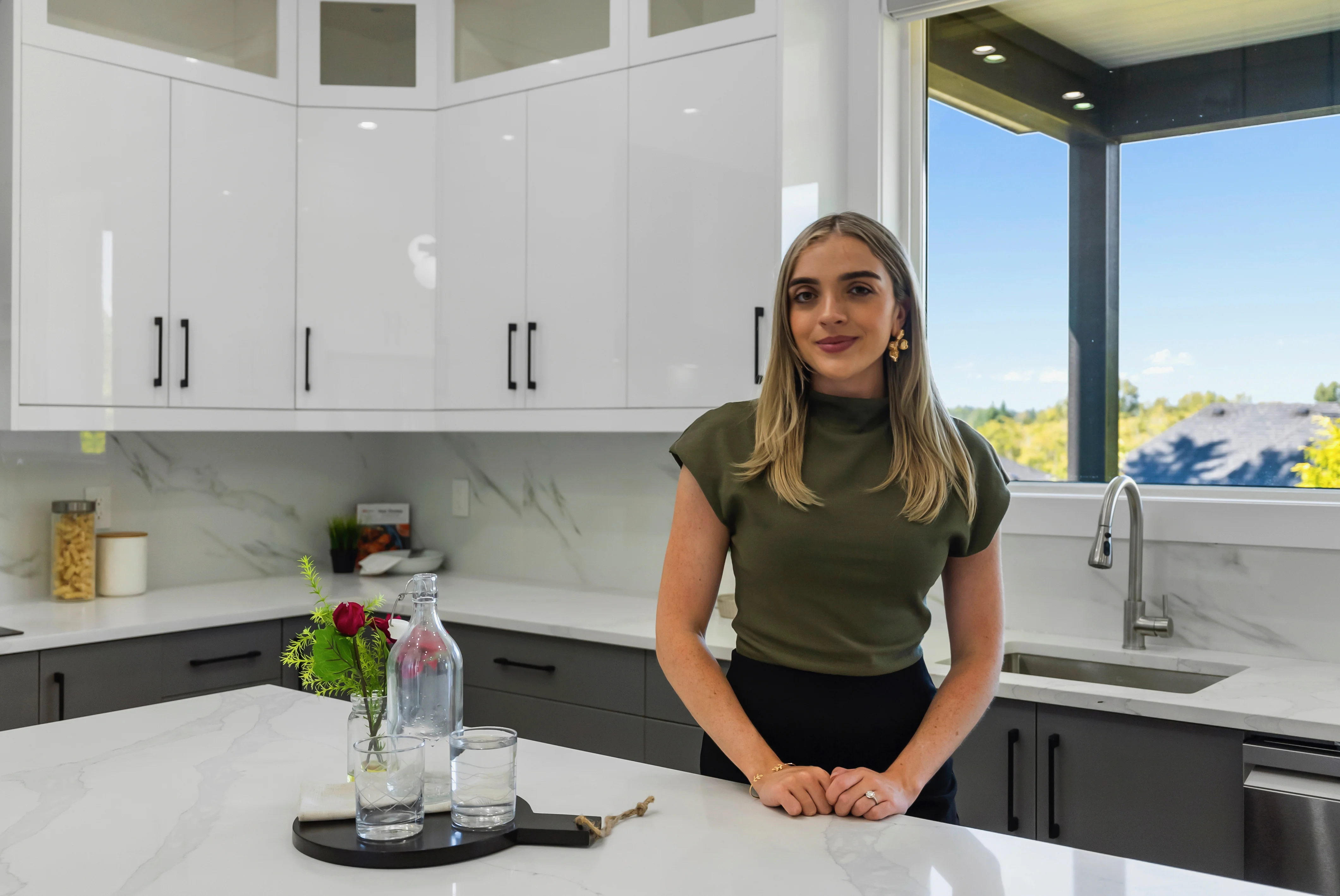
Photo by Vitaly Gariev on Unsplash
British Columbia is experiencing a significant shift in how families approach homeownership, with multigenerational living arrangements becoming increasingly common across the province. This trend reflects both practical economic considerations and changing family dynamics, as more Canadians recognize the benefits of shared housing. In BC specifically, the combination of high housing costs, aging demographics, and cultural diversity has created ideal conditions for multigenerational households to flourish, making this one of the most dynamic segments of the provincial real estate market.
The rise of multigenerational homes represents more than just a housing trend, it's a fundamental reshaping of how British Columbians build their futures together. Families are actively seeking properties that accommodate multiple generations under one roof, from legal secondary suites to in-law apartments and laneway houses. This shift has profound implications for real estate professionals, builders, and families navigating BC's competitive housing market.
The Scale of Multigenerational Living in British Columbia
British Columbia stands out as a leader in multigenerational household adoption across Canada. According to Statistics Canada data, BC ranks among the provinces with the highest proportions of children living with grandparents, at 13.1 percent, significantly above the national average. This concentration is particularly pronounced in census metropolitan areas within the province, where immigrant populations and Indigenous families, both more likely to embrace multigenerational arrangements, represent substantial portions of the population.
The provincial data reveals that multigenerational households have grown dramatically over the past decade. In 2021, Canada recorded 442,000 multigenerational households housing 2.4 million people, representing 6.4 percent of the total population. These households grew by 21.2 percent since 2011, far outpacing the overall 12.4 percent increase in all household types. BC's urban centers, including the Greater Vancouver area and the Fraser Valley, have become hotspots for this housing arrangement, driven by both economic necessity and cultural preference.
Economic Drivers: Housing Costs and Financial Necessity
The primary catalyst for multigenerational living in BC is the province's notoriously high housing costs. Greater Vancouver's aggregate home price in the fourth quarter of 2026 is forecast to decrease 3.5 percent year over year to $1,147,868, while single-family detached properties are expected to decline 5.0 percent to $1,610,915. Despite these projected decreases, prices remain prohibitively high for many first-time buyers and young families, making multigenerational arrangements an increasingly practical solution.
Beyond purchase prices, the financial benefits extend to ongoing living expenses. The average cost for a room in a retirement residence exceeds $4,000 per month, making shared homes a financially sustainable alternative for families managing elder care. Additionally, multigenerational living reduces childcare expenses and allows families to pool resources for property maintenance and utilities. In high-cost provinces like BC, parents provided an average of $204,000 in 2025 to assist adult children with home purchases, according to CIBC data. These substantial financial gifts often accelerate purchase timelines, yet multigenerational arrangements offer an alternative pathway to homeownership without requiring such significant parental assistance.
Market Demand and Real Estate Opportunities in BC
BC's real estate market has responded to multigenerational demand with renewed interest in properties featuring flexible layouts and secondary housing options. Buyers increasingly seek homes with legal secondary suites, in-law apartments, laneway houses, or potential for garden suite additions. These features allow multiple generations to maintain both communal living and individual privacy, a critical balance for successful multigenerational arrangements.
In the Greater Vancouver area and surrounding regions, properties with these amenities command premium valuations. Real estate professionals specializing in multigenerational properties recognize that accessibility features are evolving from niche requirements to essential standards. As BC's population ages, with one in five Canadians expected to be 65 or older in 2026, demand for bungalows, large apartments, and homes with multigenerational suites is projected to increase significantly. This demographic shift creates substantial investment opportunities for properties that can accommodate aging-in-place modifications alongside family living spaces.
Challenges and Policy Considerations for BC Families
Despite growing demand, multigenerational households in BC face significant challenges. Statistics Canada data indicates that 28 percent of multigenerational household units are considered crowded or too small for their needs, compared to only 5 percent of non-multigenerational households. This crowding issue is particularly acute in BC's high-density urban areas, where available land and existing housing stock limit options for suitable properties.
Restrictive zoning policies have historically limited the expansion of multigenerational housing supply. However, recent provincial reforms offer hope. BC has implemented similar zoning amendments to Ontario's More Homes Built Faster Act, permitting multiple residential units on most lots without by-law amendments and exempting new units from additional development fees. These policy changes aim to increase the pool of affordable multigenerational properties, though advocates emphasize that governments must do more to address affordability comprehensively. For BC families considering multigenerational arrangements, understanding local zoning regulations and exploring properties with development potential remains crucial for long-term success.
Key Takeaways
- BC leads Canada in multigenerational household adoption, with 13.1 percent of children living with grandparents, driven by high housing costs and demographic diversity
- Multigenerational living offers significant financial benefits, reducing retirement care costs (averaging $4,000+ monthly) and childcare expenses while enabling resource pooling
- BC real estate buyers increasingly seek properties with secondary suites, in-law apartments, and laneway houses to accommodate multiple generations while maintaining privacy
- Greater Vancouver's high home prices (averaging $1.1 million for aggregate homes) make multigenerational arrangements an increasingly practical pathway to homeownership
- Recent provincial zoning reforms expanding allowable residential units show promise for increasing multigenerational housing supply, though affordability challenges persist
Free Tools for Your Home Search
Have Questions About This Topic?
Get personalized advice from Rose Marie about your real estate goals.
Book a Free Consultation