BC Real Estate and Climate Change: Flood Zones and Insurance
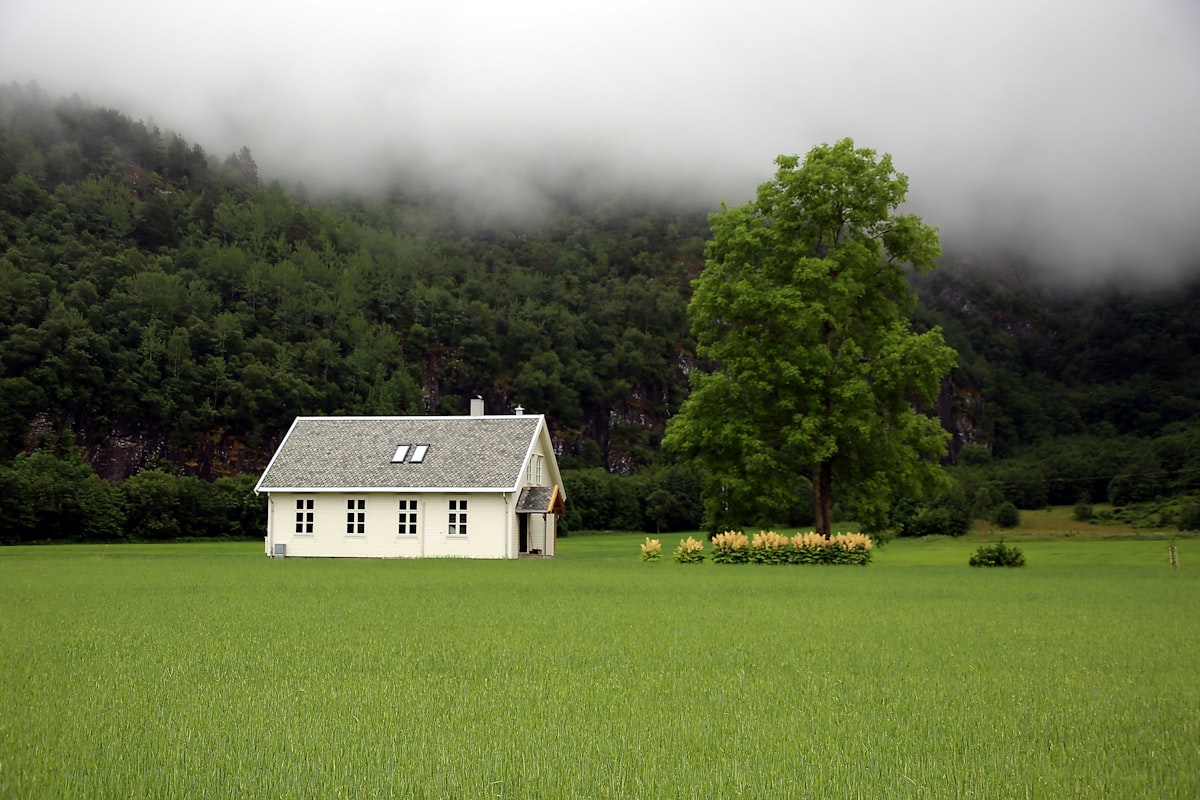
Photo by Mark König on Unsplash
Climate change is becoming an increasingly important factor in BC real estate decisions. From flood zones along the Fraser River to wildfire risk in interface areas, environmental considerations are reshaping how buyers, sellers, and insurers evaluate properties across the province. Understanding these risks and how they affect property values and insurance costs is now essential for anyone involved in BC real estate.
Flood Risk and Property Values in the Fraser Valley
The devastating floods of recent years highlighted the vulnerability of certain areas in the Fraser Valley to extreme weather events. Properties in identified flood plains face increasing scrutiny from buyers and lenders. Areas like Abbotsford, Chilliwack, and parts of Surrey near the Fraser River require careful evaluation of flood mitigation infrastructure. Municipal governments are investing in upgraded dike systems and drainage, but buyers should always research a property's flood zone status and understand what protections are in place before making an offer.
Insurance Costs and Coverage Changes
Insurance companies are rapidly adjusting their risk models to account for climate change, and this is having a direct impact on homeownership costs in BC. Overland flood insurance, which was rarely discussed a decade ago, is now a critical consideration. Some properties in high risk areas are seeing insurance premiums increase significantly, while others may have difficulty obtaining coverage at all. When evaluating a property purchase, factor in current and projected insurance costs as part of your total ownership expenses.
How Climate Resilience Affects Home Values
Properties with climate resilient features are increasingly commanding premium prices in the BC market. Homes with updated drainage systems, fire resistant landscaping, backup power systems, and elevated foundations are more attractive to buyers who understand environmental risks. In areas like White Rock and South Surrey, properties on higher ground with ocean views are particularly desirable. Investing in climate resilience improvements can both protect your property and increase its long term value.
Making Informed Decisions in a Changing Environment
Smart real estate decisions now require considering environmental factors alongside traditional market metrics. Research the natural hazard assessments for any area you are considering. Review municipal emergency preparedness plans and infrastructure investments. Look at historical weather patterns and future climate projections for the region. Work with a realtor who understands these factors and can help you evaluate both the risks and opportunities that climate change presents in the BC real estate market.
Key Takeaways
- Always research a property's flood zone status and local mitigation infrastructure before making an offer in the Fraser Valley.
- Factor in current and projected insurance costs when evaluating properties, as premiums in high risk areas are increasing.
- Properties with climate resilient features like updated drainage and fire resistant landscaping are commanding premium prices.
- Municipal investments in dike upgrades and drainage systems are improving protection in vulnerable communities.
- Work with a realtor who understands environmental risk factors and can help you make informed location decisions.
Free Tools for Your Home Search

Have Questions About This Topic?
Get personalized advice from Rose Marie about your real estate goals.
Book a Free Consultation